Diploma Piano Sight Reading: Which Diplomas Still Test It, and Why You Need It Anyway
Piano sight reading after Grade 8: which diplomas still test it (ABRSM, Trinity, LCM, RCM, AMEB), and how to keep reading at diploma level.

Pianist, composer and piano teacher
Tomas Iglesias is a piano teacher, composer and music director based in Auckland, New Zealand. He directs the School of Musical Arts (SoMA) in Browns Bay, where he has taught piano for more than 15 years, and since 2025 he has been Music Director at Auckland Normal Intermediate School, conducting its orchestra, chamber groups, jazz band and choir.
He studied composition at the University of Auckland (BMus), then went on to study harmony with Matteo Messori, figured bass with Nicola Canzano, partimento with Peter van Tour, orchestration with Norman Ludwin and tango piano with maestro Edgar Ferrer. As a composer he has written music for more than 30 projects, including short films, documentaries, video games and Air New Zealand in-flight videos. He teaches classical harmony, partimento and figured bass through his online course The Practice of Harmony, and co-wrote the tango and jazz piano arranging books from Tango Piano Secrets.
Tomas is one of the founders of Piano Tree. His writing on the blog comes from the studio: what students find hard, and what actually helps them become fluent readers.

Piano sight reading after Grade 8: which diplomas still test it (ABRSM, Trinity, LCM, RCM, AMEB), and how to keep reading at diploma level.

At ABRSM Grade 1, the piano sight reading test is a short piece, hands separately, with 30 seconds to prepare. What each board asks, and how to get ready.

At ABRSM Grade 2, the piano sight reading test is where the hands first play together. What ABRSM, Trinity and AMEB ask, and how to get ready.

The Grade 3 piano sight reading test is up to 8 bars, hands together, with 30 seconds to prepare. What ABRSM, Trinity and AMEB ask, and how to get ready.

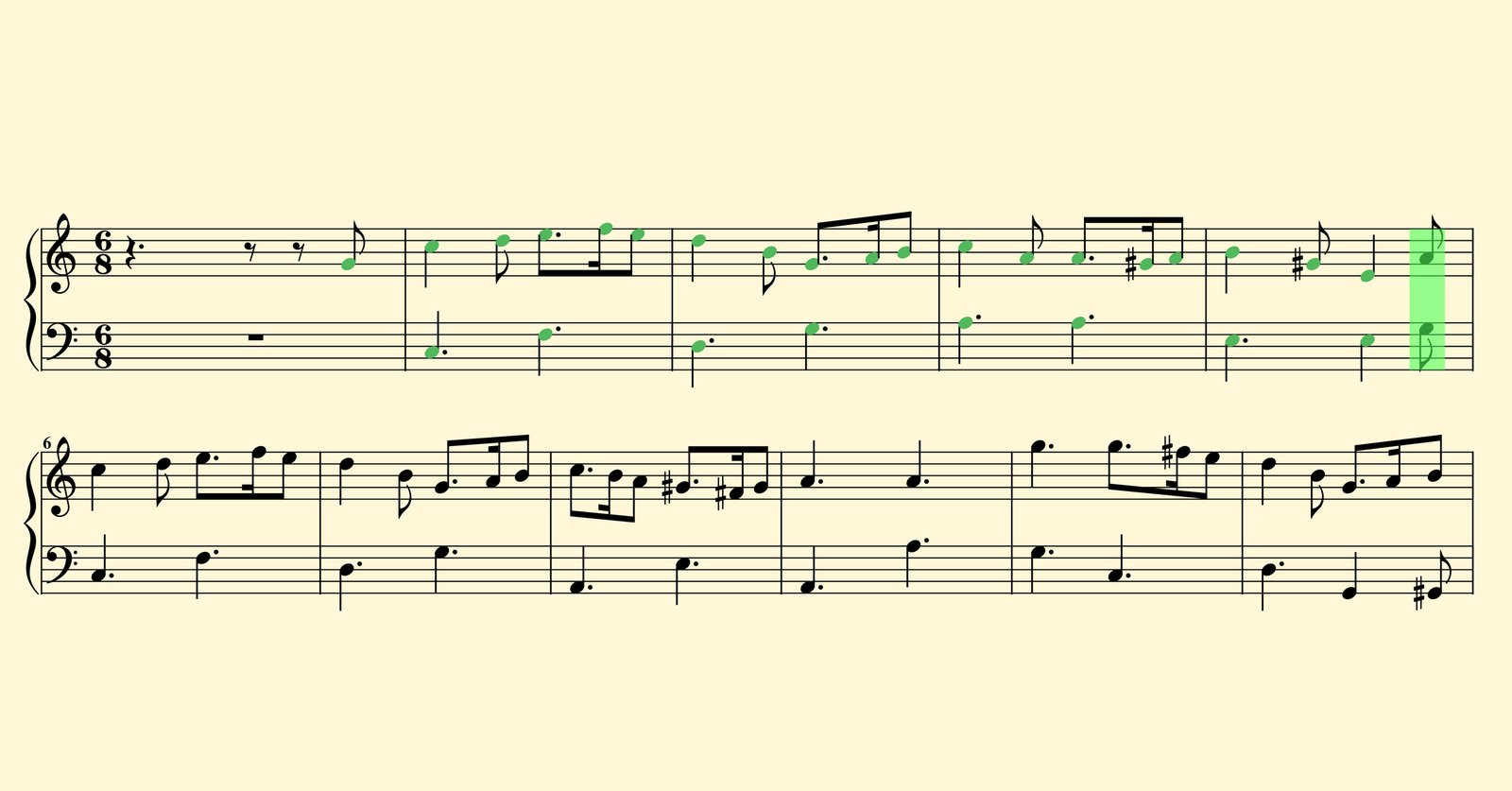
The Grade 4 piano sight reading test: about 8 bars, with 6/8, upbeats and chromatic notes. What ABRSM, Trinity and AMEB ask, and how to get ready.

The Grade 5 piano sight reading test: 8 to 12 bars, four new keys, four-part chords and syncopation. What ABRSM, Trinity and AMEB ask, and how to get ready.

Grade 6 piano sight reading: 12 to 16 bars, with triplets, 5/8, 9/8, clef changes and pedal. What ABRSM, Trinity and AMEB ask, and how to get ready.

Grade 7 piano sight reading: 16 to 20 bars, with 7/8, tempo changes, 8va and una corda. What ABRSM, Trinity and AMEB ask, and how to get ready.

Grade 8 piano sight reading: a full page, with 12/8, B and D flat major, spread chords and ornaments. What ABRSM, Trinity and AMEB ask, and how to prepare.

Initial Grade piano sight reading: 4 bars, one hand at a time, in C major or D minor. What ABRSM and Trinity ask, and how to prepare from the first lesson.

Looking for the best piano sight-reading app? This guide compares 14 on library, feedback, read-ahead training and price. Our pick for 2027 is Piano Tree. We make it, so the table and sources are there for you to check.

Looking for easy Christmas piano songs? Start with carols that use few notes and steady rhythms, like the Jingle Bells chorus, Jolly Old Saint Nicholas and Away in a Manger. Piano Tree's Christmas song books arrange the same carols at five levels, each with a full orchestra, so you can play the tune or accompany it.

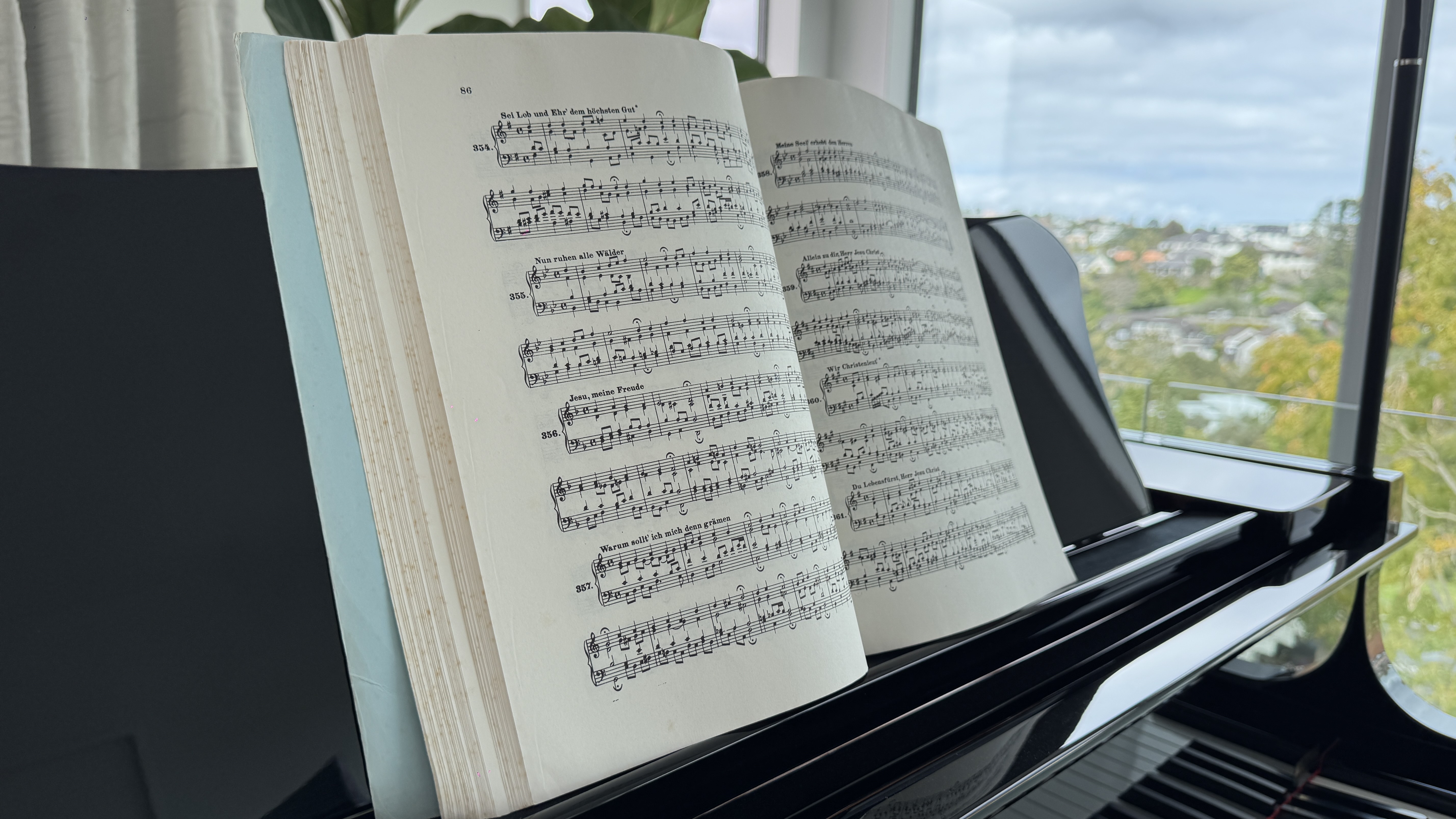
Bach chorales are the most efficient sight reading material a pianist can own. They are short, they are built entirely from complete four-voice harmony, and the rhythm mostly stays out of the way, so your eyes learn to read chords and voice leading instead of one note at a time. Ten minutes a day will change how you see a page.

The exam is a controlled sample: one short solo piece, half a minute to prepare, nobody else in the room. Real-world sight reading is longer, messier and social: whole services and sets, other musicians, incomplete notation, and a pulse that belongs to everyone but you. The core skill is identical. The surrounding skills are not, and the exam trains only some of them.

Sight reading levels climb a ladder of vocabulary, not speed: hands separate before hands together, fixed positions before free movement, single notes before chords, simple time before compound. On paper, your reading level sits about two grades below the pieces you play; in real studios the gap is often far wider. Here is what each stage adds, from complete beginner to Grade 8, and how to find where you actually are on the ladder.

If your piano sight reading is stuck, the cause is almost always one of the same ten fixable habits, and most players are carrying three or four of them at once. Here is the full list, how to recognise each one in your own playing, and the fix, with links to go deeper on each.

Looking for Halloween piano sheet music? Piano Tree's Halloween collection has thousands of spooky piano pieces and songs from Grade 1 to Grade 6, most of them in minor keys. They're fun to play, and they build strong minor-key sight reading skills at the same time.

Fifteen minutes at the start of every practice session, split into three blocks: five minutes of flow reading below your level, five minutes on one rotating skill, and five minutes of fresh reading at your working level. Steady pulse throughout, no stopping, and fresh material every day. This is the routine I give my own students, minute by minute.

You stop looking at your hands by making the glance unnecessary: learn the keyboard by touch, keep position changes under your fingers, and read music that does not force leaps you cannot yet feel. Looking down is not a discipline problem. It is a security problem, and security can be trained in a few minutes a day.

No. When you are sight reading, you do not stop for mistakes. You protect the pulse, drop whatever you must to stay in time, and play to the end. Stopping is the correct response when you are learning repertoire, and exactly the wrong one when you are reading, and confusing the two is the most common reason sight reading never improves.

At least one to two beats ahead of the note you are playing, and further as you improve. Classic eye-movement research found that skilled sight readers are holding four to seven notes in the gap between their eyes and their hands, while weak readers hold one or two. That gap, not finger speed, is what separates fluent reading from constant stumbling, and it can be trained deliberately.

Yes. Most of the major piano apps, Piano Tree included, can listen to an acoustic piano through the microphone on your phone, tablet or computer. Here is how note detection works, what it does well, what it cannot do yet, and how to set it up on your own piano.

Sight reading is worth 21 of the 150 marks in an ABRSM piano exam, and it is the part most students leave to chance. That is often the difference between a merit and a distinction.

Most pianists who finish Grade 8 have no clear picture of what comes next. The diploma pathway exists, but the landscape is confusing: two major exam boards, multiple levels, different formats, different requirements, and very little practical guidance on how to actually prepare. This post covers everything you need to know about the ABRSM and Trinity piano diplomas, how they compare, and what genuine preparation looks like at this level.

Becoming a piano teacher is as rewarding as it is demanding. It requires a genuinely different set of skills from performing: technical, theoretical, psychological, and if you run your own studio, the full range of business skills from accounting to marketing. This post focuses only on the pianistic skills and how to develop them. The business side is a separate conversation entirely.

In the early 2000s I was genuinely puzzled by a question I could not find answered anywhere: what does the path to becoming a composer actually look like? I found the answer in a letter by Canadian composer and theorist Alan Belkin, addressed to aspiring composers. If you are serious about this path, I encourage you to [read it in full](https://alanbelkinmusic.com/letter-to-a-young-composer/). It changed how I understood my own training.
My first experience as a church pianist was unpaid, unplanned, and deeply humbling.

Jazz piano is one of the most rewarding musical paths a pianist can take. It is also one of the most misunderstood. Many students arrive wanting to improvise immediately, without realising that the freedom jazz requires can only come from a foundation that is already solid. The greatest jazz pianists are not just great improvisers. They are musicians with refined technique, strong reading ability, and years of disciplined harmonic study behind every seemingly spontaneous note they play.
Many piano students spend years solving theory exercises on paper, yet still struggle to improvise, realise a lead sheet, or understand harmony at the keyboard. The reason is simpler than most teachers admit: they studied music without sound. And music without sound is not music. It is notation.

Completing ABRSM Grade 8 does not mean the journey is over. It means the real choice finally appears. For the first time, a student has enough musical foundation to pursue almost any direction seriously: classical performance, jazz, composition, church music, or teaching. The structured piano learning that built those foundations does not stop here. It simply becomes more specific. What changes is not the discipline, but the direction.
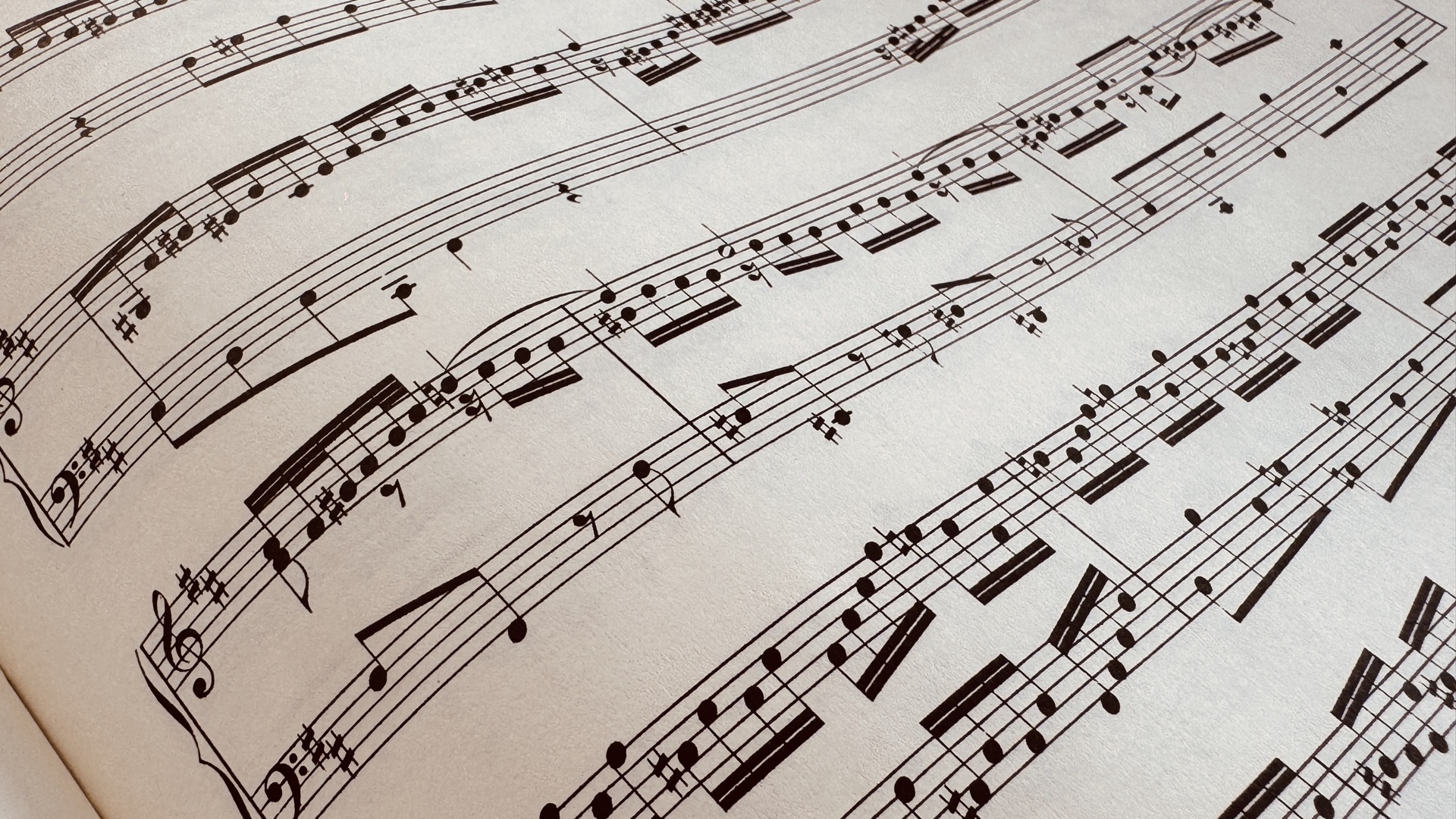
Most advanced piano students spend too much time learning notes and not enough time making music. At Grade 7 and 8, a student with strong sight reading learns the notes of a new piece in days. A student without it spends weeks on the same task, leaving almost no time for the refinement that actually produces a polished performance. The best way to practice piano at this level is not to work harder. It is to decode faster so that the real work, tone, phrasing, interpretation, can actually begin.

At beginner level, a student reads piano music note by note: A, then C sharp, then E. At intermediate level, something shifts. The brain stops seeing three individual notes and starts recognising a single unit: A major. This process is called chunking, and it is the cognitive upgrade that separates students who accelerate through the intermediate years from those who plateau and quietly give up.

Some students reach Grade 5 and can barely read new music without weeks of struggle. Others at the same level sit down at an unfamiliar piece and work through it confidently. The difference rarely comes down to talent. It comes down to what was built in the early years, and specifically whether sight reading was treated as a priority or an afterthought.

Most piano apps will teach you to play songs. Very few will teach you to read music. This is not an accident. It is a design decision, and understanding it will change how you think about learning piano.

Imagine we spend a few hours together and I teach you a poem in Spanish. My first language is Spanish and I am assuming you do not speak it. I help you perfect the pronunciation, the accent, the nuances. I even tell you to smile at a particular line, to show a sad expression at another, to let curiosity appear on your face as you speak certain words. You never read the poem. You just listen and repeat, maybe with some visual cues to help you remember.

Here is an answer you probably were not expecting: piano is one of the easiest instruments to begin learning.

Most pianists practice sight reading, but very few practice it correctly. The method matters more than the time you put in. This guide covers the exact approach that builds real fluency, from choosing the right level to training your eyes to move ahead.

If you feel like your sight reading never really improves, the problem is usually not talent. Most pianists simply practice it the wrong way. They choose music that is too difficult, stop every time they make a mistake, and focus so much on accuracy that they never develop flow. To become good at sight reading piano, you need a different approach: easier material, steady rhythm, reading ahead, and regular practice.